Can i replace fuel injectors yourself
Can I Replace Fuel Injectors Yourself? A DIY Guide
If you’re a car enthusiast or just someone who likes to save money on car repairs, you might wonder, “Can I replace fuel injectors myself?” The short answer is yes, but it’s a job that requires careful attention to detail and a good understanding of your car’s engine.
This blog post will walk you through the process, helping you decide if this DIY project is right for you and what steps you need to take to do it safely and effectively.

What Are Fuel Injectors and Why Do They Fail?
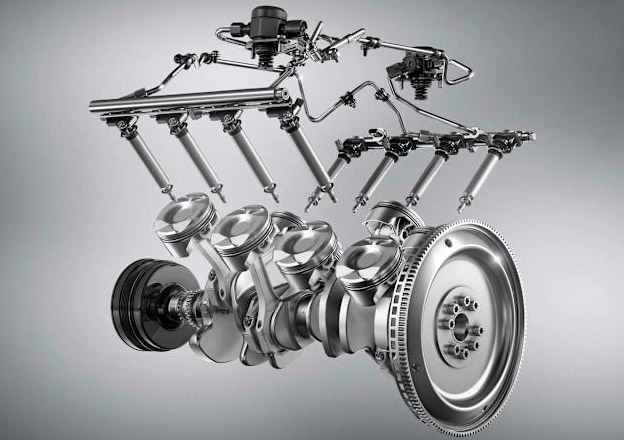
Fuel injectors are a critical part of your car’s fuel system. They are small, electronically controlled valves that spray a fine mist of gasoline into the engine’s combustion chamber. This mist mixes with air and is ignited by the spark plug, creating the power that moves your car.
Over time, fuel injectors can become clogged with carbon deposits, leading to a variety of problems:
- Misfires and rough idling: A clogged injector can’t spray enough fuel, causing the engine to run unevenly.
- Poor fuel economy: The engine has to work harder to compensate for a lack of fuel, using more gas.
- Engine hesitation or stalling: A severely clogged injector can prevent the engine from getting the fuel it needs to run smoothly.
- Check engine light: The car’s computer may detect a problem with the fuel system and trigger a warning light.

Is Replacing Fuel Injectors a Difficult Job?
While replacing fuel injectors is not a simple task, it’s manageable for most people with some mechanical aptitude and the right tools. It’s more complex than a basic oil change, but less involved than, say, rebuilding an engine.
The difficulty of the job depends on your vehicle. On some cars, the fuel injectors are easily accessible, while on others, you may need to remove the intake manifold or other components to get to them.

Tools and Materials You'll Need
Before you start, make sure you have all the necessary tools and parts. This will make the job much smoother and safer.
- New fuel injectors: Make sure you buy the correct injectors for your specific car’s make, model, and year.
- Socket and ratchet set: You’ll need various sizes for different bolts and nuts.
- Wrench set: For loosening fuel lines and other components.
- Screwdrivers: Both flathead and Phillips.
- Pliers: For removing hoses and clips.
- Fuel injector puller tool (recommended): This specialized tool can prevent damage to the injectors and the fuel rail.
- Safety glasses and gloves: Always prioritize safety.
- Shop rags: To clean up any spilled fuel.

Step-by-Step Guide to Replacing Your Fuel Injectors
1. Depressurize the Fuel System
Before you do anything, you must relieve the pressure in the fuel system. This is a crucial safety step to prevent fuel from spraying everywhere when you disconnect the lines. You can do this by locating the fuse or relay for the fuel pump and removing it. Then, start the engine and let it run until it stalls.
2. Disconnect the Battery
To avoid any electrical hazards, disconnect the negative terminal of the car battery.
3. Locate and Access the Fuel Injectors
Find the fuel rail, which is the metal pipe that the fuel injectors are mounted on. You may need to remove other components like the air intake or engine cover to get to it.
4. Disconnect the Fuel Injectors
Unplug the electrical connectors from each injector. Be gentle, as these plastic connectors can become brittle over time. Then, disconnect the fuel rail from the engine.
5. Remove the Old Fuel Injectors
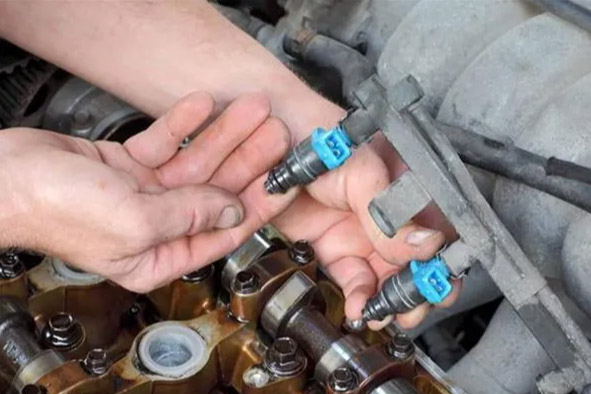
Carefully pull the old injectors out of the engine. A specialized puller tool can be very helpful here to avoid damaging the injector or the engine.
6. Install the New Fuel Injectors
Make sure the new injectors have new O-rings. A small amount of clean engine oil on the O-rings can help them slide into place more easily. Push the new injectors into the engine and reconnect the fuel rail.
7. Reconnect Everything
Plug the electrical connectors back onto the new injectors. Reinstall any parts you removed to get to the injectors, such as the air intake. Reconnect the fuel pump fuse or relay and the battery.
8. Check for Leaks
Before starting the engine, turn the key to the “on” position (without starting the engine) to allow the fuel system to repressurize. Listen for any leaks. Once you’re sure there are no leaks, you can start the engine.

Common Mistakes to Avoid
- Forgetting to depressurize the fuel system: This is a major safety risk.
- Damaging the O-rings: Damaged O-rings can cause fuel leaks.
- Using the wrong parts: Always double-check that you have the correct injectors for your car.
- Not cleaning the area: Debris or dirt falling into the engine can cause serious problems.

When to Call a Professional
Even with this guide, there are times when it’s better to leave the job to a professional. If you are not confident in your abilities, don’t have the right tools, or encounter any unexpected problems, it’s best to take your car to a trusted mechanic. The cost of a professional repair is much less than the cost of a major engine problem caused by a mistake.

Final Thoughts: Can You Do It?
Replacing fuel injectors is a challenging but rewarding DIY project. With patience, the right tools, and careful attention to detail, you can successfully replace your own fuel injectors and save money on labor costs. However, always prioritize safety and know your limits.
Ready to get started on your car repair journey?


What is the fuel injection system
How to diagnose a bad fuel injector
Related Article