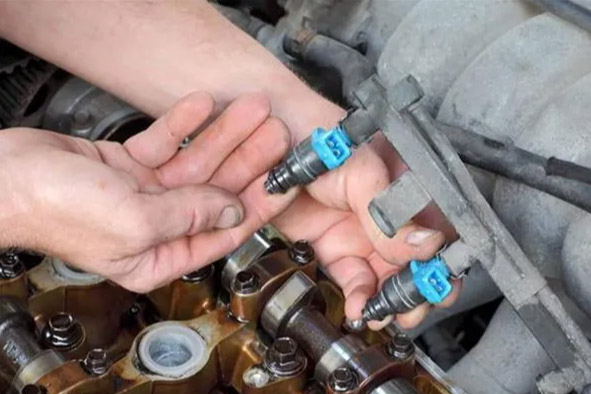
How to diagnose a bad fuel injector
How to Diagnose a Bad Fuel Injector: Your Complete Guide
Is your car hesitating, sputtering, or just not running like it used to? A faulty fuel injector could be the culprit. These small, but vital components are responsible for delivering the precise amount of fuel to your engine's combustion chambers. When one goes bad, it can throw off the entire system, leading to poor performance, reduced fuel economy, and even engine damage. In this guide, we'll walk you through the common symptoms and simple diagnostic steps to help you identify a bad fuel injector. By the end, you'll be well-equipped to pinpoint the problem and get your vehicle running smoothly again.
---Common Symptoms of a Bad Fuel Injector
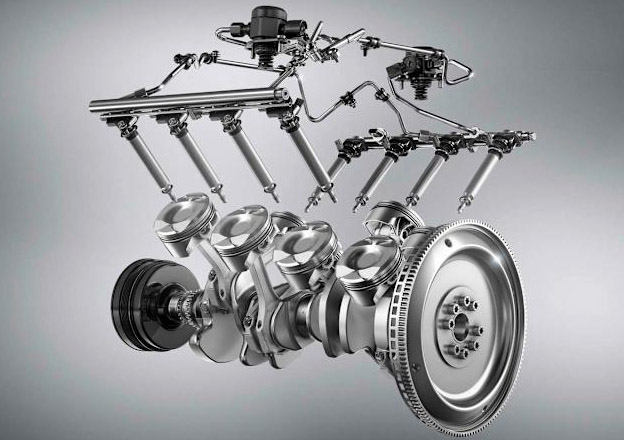
Before you dive into complex tests, it's crucial to pay attention to your car's behavior. The most common signs of a failing fuel injector are often noticeable during everyday driving. Recognizing these symptoms early can save you from more significant issues down the road.
Engine Misfires and Rough Idling
One of the most immediate and common signs is a noticeable engine misfire. This happens when the cylinder isn't receiving enough fuel to combust properly. You might feel a distinct shudder or a jolt in your car, especially when idling at a stoplight. This rough idling is a strong indicator that one or more cylinders are not firing correctly.
Poor Fuel Economy
A leaky or clogged fuel injector can drastically affect your car's fuel efficiency. If the injector is stuck open, it will continuously spray fuel into the cylinder, leading to wasted gas and a noticeable drop in your miles per gallon (MPG). Conversely, a clogged injector won't spray enough fuel, causing the engine to overcompensate and use more fuel than necessary.
Check Engine Light Illumination
Modern vehicles have sophisticated onboard diagnostics (OBD) systems. When a fuel injector is malfunctioning, it often triggers a trouble code that turns on your check engine light. Common codes associated with fuel injectors include P0201 through P0206 (for injector circuit malfunctions) or P0301 through P0308 (for specific cylinder misfires). Using an OBD-II scanner can help you retrieve these codes and confirm the issue.
---DIY Diagnostic Methods
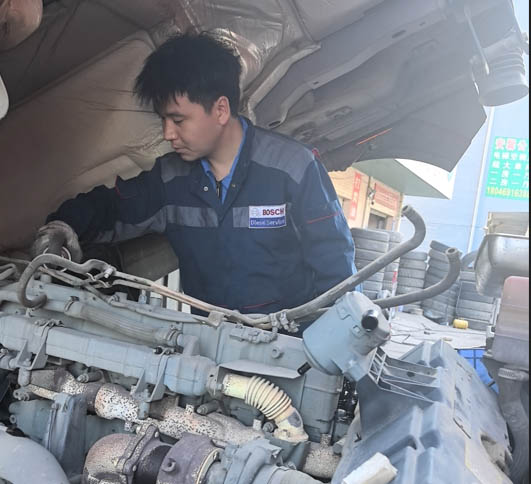
If you're comfortable with basic car maintenance, there are a few simple tests you can perform at home to narrow down the problem. Always remember to prioritize safety and follow your vehicle’s service manual.
The Stethoscope or Screwdriver Test
This is a low-tech but effective method to check if an injector is "clicking" or working. With the engine running (be careful around moving parts), place the tip of a long screwdriver or a mechanic's stethoscope on top of the fuel injector. Place your ear on the handle. A healthy injector will produce a rhythmic clicking sound. A silent injector is likely clogged or has an electrical issue. Compare the sound across all injectors to find the one that's not clicking.
The Resistance Test
A multimeter can be used to check the electrical resistance of the injector's solenoid. To do this, you’ll need to unplug the injector's electrical connector. Set your multimeter to the ohms (Ω) setting. Place the probes on the two electrical pins of the injector. Compare the reading to your vehicle's specifications (usually found in the service manual). A reading that is too high or too low, or a complete lack of a reading, indicates a fault within the injector's internal wiring.
---When to Call a Professional

While DIY diagnostics can be helpful, some issues require a professional touch. Fuel injectors operate under high pressure and can be dangerous to work with if you're not experienced. If the basic tests don't reveal the problem, or if you're not comfortable with the repair, it’s always best to consult a certified mechanic. They have specialized tools, such as fuel injector pressure testers and professional cleaning kits, to accurately diagnose and fix the problem. Remember, a professional diagnosis can save you time and prevent costly mistakes.


Disclaimer: This blog post is for informational purposes only. Always consult a professional mechanic for diagnosis and repair of your vehicle. Working on a car can be dangerous and should be done with proper safety precautions.
Can i replace fuel injectors yourself
How does a fuel pump work on a lawn mower
Related Article