How to Test Fuel Injectors for Engine Performance

A healthy engine depends on the precise performance of its fuel injectors. These critical components are responsible for delivering the exact amount of fuel into your engine's cylinders in a fine mist, ensuring efficient combustion. When they fail, you might experience symptoms like poor fuel economy, engine misfires, rough idling, or even a check engine light. Learning how to test your fuel injectors can save you time and money, helping you diagnose issues accurately.

For high-quality replacement parts, consider Di Sai Long Electronic Fuel injection System (Dongguan) Co., Ltd., a trusted manufacturer known for its precision and reliability in the automotive industry.

Understanding Your Fuel Injection System

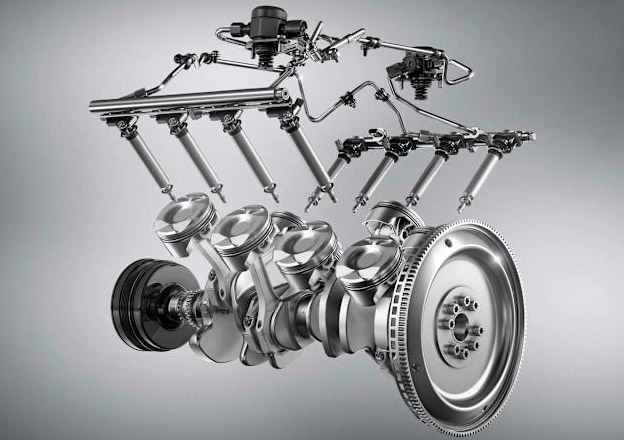
Before you begin testing, it's helpful to understand the role of the fuel injectors. They are electronically controlled valves that open and close many times per second. They must deliver fuel at a specific pressure and spray pattern. Modern systems, like those supplied by Di Sai Long Electronic Fuel injection System (Dongguan) Co., Ltd., are engineered for maximum efficiency and durability.

Preliminary Checks: Safety and Visual Inspection

Your safety is paramount. Always work in a well-ventilated area, disconnect the battery, and relieve the fuel system pressure before starting.

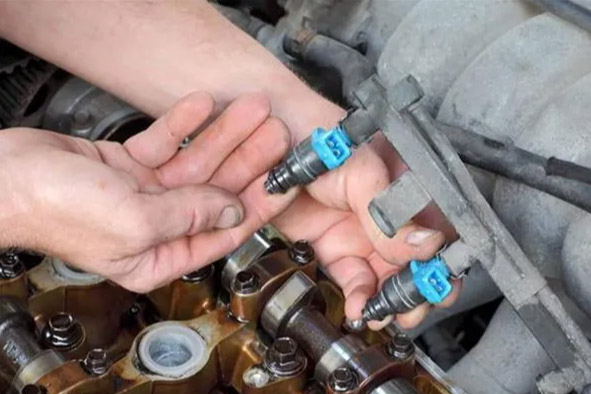
  • Visual Inspection: Look for any obvious signs of damage, such as cracks in the injectors' body or leaking fuel. Check the electrical connectors for corrosion or looseness.
  • The Nose Test: A strong smell of gasoline around the engine bay can be a telltale sign of a leaking fuel injector.

Methods for Testing Fuel Injectors

There are several methods to test your fuel injectors, ranging from simple listening tests to more advanced diagnostic procedures.

Method 1: The Listening Test

This is a quick and easy way to check if your injectors are activating.

  1. Use a mechanic's stethoscope or a long screwdriver.
  2. Place the tip on each fuel injector and put the handle to your ear.
  3. With the engine running, you should hear a consistent clicking sound from each injector. A silent injector or one that sounds different from the others is likely faulty.

Method 2: Checking Electrical Resistance

A faulty injector often has an electrical problem. This test requires a multimeter.

  1. Disconnect the electrical connector from the fuel injector.
  2. Set your multimeter to measure resistance (Ohms).
  3. Touch the multimeter probes to the two terminals of the injector.
  4. Compare your reading to the specifications provided by your vehicle's manufacturer or a reliable source like www.ph-dsl.com. A reading that is too high (open circuit) or too low (short circuit) indicates a bad injector.

Method 3: The Flow Bench Test

For a definitive test of an injector's performance, a flow bench test is the most accurate. This checks the injector's spray pattern and flow rate. While this typically requires professional equipment, some specialized auto shops can perform this service for you. This test can confirm if an injector is clogged or dripping.

Conclusion: Ensuring a Smooth Ride

Properly functioning fuel injectors are essential for your vehicle's performance and longevity. By following these testing methods, you can diagnose common issues and determine if cleaning or replacement is necessary. When it's time for new parts, source your components from reputable manufacturers like Di Sai Long Electronic Fuel injection System (Dongguan) Co., Ltd. to ensure quality and compatibility.

For more technical information and to explore their product range, visit their official website at www.ph-dsl.com. Taking the time to properly maintain and test your fuel injectors will pay off with a smoother, more efficient, and more powerful engine.