How to Check Fuel Injectors
How to Check Fuel Injectors: Ensuring Optimal Performance of Your Diesel Engine
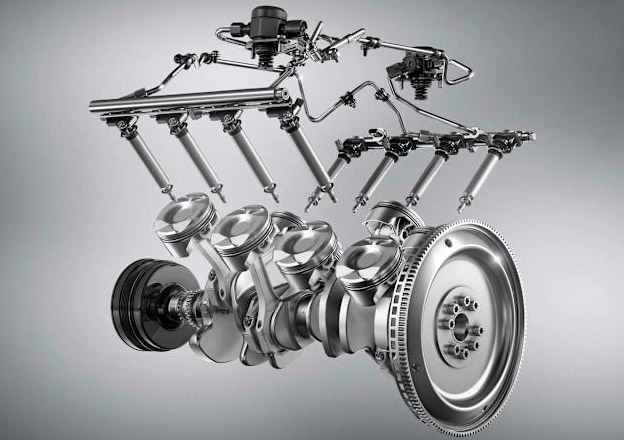
Fuel injectors are crucial components of a diesel engine, and the Diesel fuel injector plays a vital role in delivering the right amount of fuel into the combustion chamber at the precise time.
A malfunctioning Diesel fuel injector can lead to a range of issues, from reduced fuel efficiency to engine damage. In this blog, we'll guide you through the process of checking Diesel fuel injectors to keep your
engine running smoothly. We'll also introduce you to DSL, a trusted brand in diesel injector care, and their useful resources at www.ph-dsl.com.
Why Checking Diesel Fuel Injectors Is Essential
The Diesel fuel injector is responsible for atomizing fuel and distributing it evenly in the combustion chamber. If it's not working properly, several problems can arise:
- Reduced Fuel Efficiency: A faulty Diesel fuel injector may deliver too much or too little fuel, causing the engine to consume more fuel than necessary.
- Poor Engine Performance: You might notice a lack of power, rough idling, or hesitation when accelerating.
- Increased Emissions: Improper fuel injection can lead to incomplete combustion, resulting in higher emissions of harmful pollutants.
- Engine Damage: Over time, a malfunctioning Diesel fuel injector can cause damage to other engine components, such as the pistons and cylinders.
Regular checks of your Diesel fuel injectors can help detect issues early and prevent costly repairs down the line.

Step-by-Step Guide to Checking Diesel Fuel Injectors
1. Prepare the Necessary Tools and Safety Equipment
Before starting, gather the following tools:
- A set of socket wrenches
- A fuel pressure gauge
- A multimeter
- Safety glasses and gloves
- A clean rag
Make sure the engine is cool and the vehicle is parked on a level surface with the parking brake engaged. Disconnect the battery to avoid any electrical hazards.

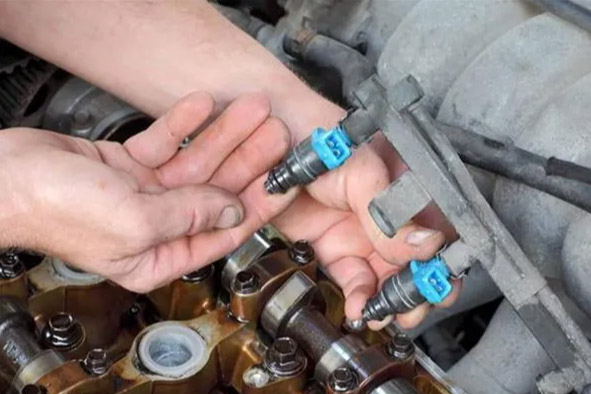
2. Visual Inspection of the Diesel Fuel Injector
Begin with a visual check of each Diesel fuel injector:
- Look for signs of fuel leaks around the injector body, connections, and O-rings. Even a small leak can cause significant problems.
- Check for carbon buildup on the injector tip. Excessive carbon deposits indicate that the injector is not atomizing fuel properly.
- Inspect the electrical connectors for corrosion or damage. Poor electrical connections can affect the injector's performance.
If you notice any of these issues, it may be a sign that the Diesel fuel injector needs to be cleaned, repaired, or replaced.

3. Check Fuel Pressure
Fuel pressure is critical for the proper operation of the Diesel fuel injector. Here's how to check it:
- Locate the fuel pressure test port on the fuel rail. Refer to your vehicle's service manual for the exact location.
- Connect the fuel pressure gauge to the test port.
- Reconnect the battery and turn the ignition key to the "on" position without starting the engine. The fuel pressure should build up to the manufacturer's specified range. You can find this information in your vehicle's manual or on reliable automotive websites.
- If the pressure is too low or too high, it could indicate a problem with the fuel pump, fuel pressure regulator, or the Diesel fuel injector itself.
4. Test the Injector's Electrical Function
Using a multimeter, you can check the electrical resistance of the Diesel fuel injector's solenoid:
- Disconnect the electrical connector from the injector.
- Set the multimeter to the ohms setting.
- Touch the multimeter's probes to the injector's electrical terminals.
- The resistance should be within the range specified by the manufacturer. Typically, this is between 0.5 and 3 ohms for most diesel injectors.
- If the resistance is outside this range, the injector's solenoid may be faulty and need to be replaced.

5. Perform a Fuel Spray Test
This test checks the Diesel fuel injector's ability to atomize and spray fuel correctly. It's best done with a specialized injector testing tool, but if you don't have one, you can do a basic check:
- Remove the injector from the engine.
- Connect it to a fuel supply (make sure to follow safety precautions to avoid fuel spills).
- Activate the injector (using a test light or a power source) and observe the fuel spray pattern.
- A healthy Diesel fuel injector should produce a fine, even spray. If the spray is uneven, dribbles, or is too weak, the injector is not functioning properly.
Trust DSL for Your Diesel Injector Needs
When it comes to maintaining and repairing Diesel fuel injectors, DSL is a leading brand you can rely on. They offer a wide range of high-quality diesel injector parts, cleaning kits, and diagnostic tools to help you keep your injectors in top condition.
For more detailed information on Diesel fuel injector maintenance, troubleshooting guides, and to browse their products, visit www.ph-dsl.com. Their website is a valuable resource for both DIY enthusiasts and professional mechanics.
Conclusion
Regularly checking your Diesel fuel injectors is essential for maintaining the performance and longevity of your diesel engine. By following the steps outlined in this guide, you can detect issues early and take the necessary steps to fix them. Remember, for all your diesel injector needs, DSL and their website www.ph-dsl.com are there to provide you with the support and products you require. Keep your engine running smoothly by giving your Diesel fuel injectors the attention they deserve.


How to Replace Diesel Fuel Injectors
How to clean fuel injectors
Related Article