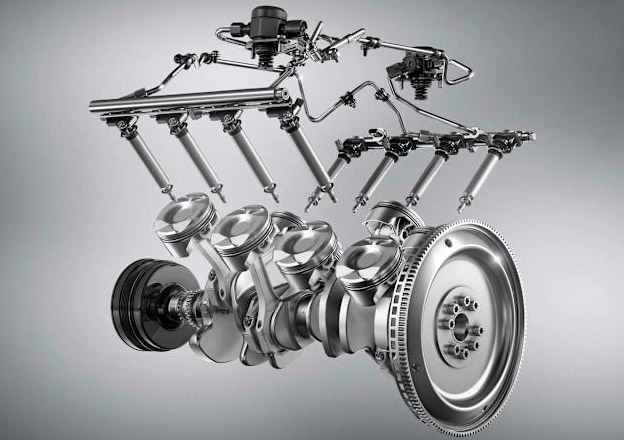
How to check fuel pump pressure
author: Max Clark
2025-08-19
How to Check Fuel Pump Pressure?
Maintaining proper fuel pump pressure is essential for the smooth operation of any vehicle, especially diesel engines where the Diesel fuel injector depends on precise pressure to function optimally.
Incorrect pressure can lead to a range of issues, from reduced fuel efficiency to severe engine damage. This guide will provide you with detailed steps to check fuel pump pressure accurately.

Essential Tools for the Job
To check fuel pump pressure effectively, you’ll need the following tools:
- Fuel pressure gauge: Select a gauge that can handle the pressure range of your vehicle. Diesel engines typically require gauges rated for 30–60 psi, while gasoline engines may need 40–50 psi (refer to your owner’s manual for exact specifications).
- Fuel pressure test adapter kit: Includes various hoses and fittings to connect the gauge to your vehicle’s fuel system.
- Owner’s manual: Provides critical information such as the location of the fuel pressure test port and the manufacturer’s recommended pressure range.
- Safety equipment: Nitrile gloves, safety glasses, and a Class B fire extinguisher (fuel is highly flammable).
- Basic hand tools: Socket set, screwdrivers, and pliers to access the test port and secure connections.
Step-by-Step Guide to Checking Fuel Pump Pressure
1. Prepare the Vehicle and Locate the Test Port
- Park the vehicle on a level surface, engage the parking brake, and turn off the engine.
- Open the hood and consult your owner’s manual to find the fuel pressure test port. In most diesel engines, it’s situated on the fuel rail, which supplies fuel directly to the Diesel fuel injector. The port is often covered by a plastic cap.
- If your vehicle lacks a dedicated test port, you’ll need to install a tee fitting in the fuel line (consult a professional if you’re unsure about this step).

2. Relieve Fuel System Pressure
- Locate the fuel pump fuse or relay in the fuse box (check the owner’s manual for its position).
- Remove the fuse/relay, then start the engine. It will run for 2–3 seconds and stall as the remaining pressure in the system is depleted.
- Turn off the ignition and reinstall the fuse/relay to avoid damaging the fuel pump.

3. Connect the Fuel Pressure Gauge
- Attach the appropriate adapter from your kit to the test port, then connect the fuel pressure gauge to the adapter.
- Ensure all connections are tight to prevent fuel leaks. For diesel systems, verify that the fittings are compatible with the high-pressure lines feeding the Diesel fuel injector to avoid damage.
4. Measure Static Pressure (Engine Off)
- Turn the ignition key to the “ON” position without starting the engine. This activates the fuel pump, which primes the system.
- Record the pressure reading on the gauge. For diesel engines, static pressure should typically fall between 30–60 psi. Compare this to the manufacturer’s specification in your owner’s manual.
5. Measure Running Pressure (Engine On)
- Start the engine and let it idle. The gauge will display the running pressure, which is usually 5–10 psi lower than the static pressure (e.g., 25–55 psi for diesel engines).
- Rev the engine gently to 2,000 RPM and observe the gauge. The pressure should remain stable or fluctuate slightly within the recommended range. A drop or spike indicates a problem.
6. Check for Pressure Retention
- Turn off the engine and monitor the gauge for 5 minutes. A healthy fuel system should retain at least 75% of its pressure during this period.
- A rapid pressure drop (more than 10 psi in 5 minutes) suggests a leak, a faulty check valve in the fuel pump, or a worn Diesel fuel injector seal.
The Role of Pressure in Protecting Your Diesel fuel injector
The Diesel fuel injector relies on consistent pressure to atomize fuel into a fine mist, ensuring efficient combustion. Low pressure can cause the injector to deliver fuel unevenly, leading to rough idling and increased emissions. High pressure, on the other hand, can damage the injector’s internal components, resulting in costly repairs. Regular pressure checks are a simple way to extend the life of your Diesel fuel injector.
For high-quality fuel system components, including fuel pumps and Diesel fuel injector parts that maintain optimal pressure, choose DSL. Our products are rigorously tested to meet industry standards. Visit www.ph-dsl.com to browse our selection and get expert advice for your vehicle.
By following these steps, you can identify fuel pump pressure issues early and keep your engine running at its best.


How to check if fuel pump works
How often should you change fuel injectors
Related Article

For high-quality replacement parts, consider Di Sai Long Electronic Fuel injection System (Dongguan) Co..Ltd., a trusted manufacturer known for its precision and reliability in the automotive industry.
How to Test Fuel Injectors for Engine Performance

Have you ever wondered what makes a modern car engine so efficient and powerful? The answer lies in a complex and precise system: the fuel injection system. This technology replaced the old carburetor and revolutionized the way our cars run, providing better fuel economy, lower emissions, and improved performance.
What is the fuel injection system
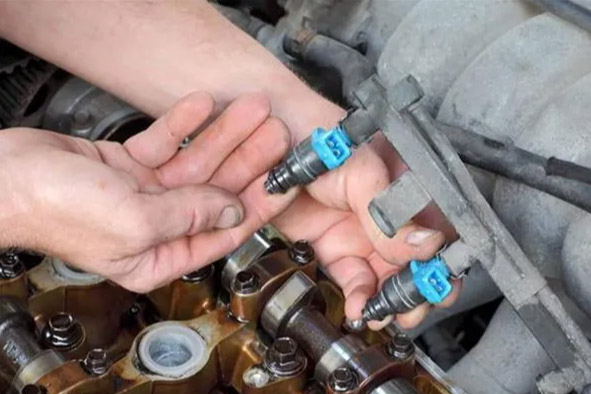
If you’re a car enthusiast or just someone who likes to save money on car repairs, you might wonder, “Can I replace fuel injectors myself?” The short answer is yes, but it’s a job that requires careful attention to detail and a good understanding of your car’s engine.
Can i replace fuel injectors yourself