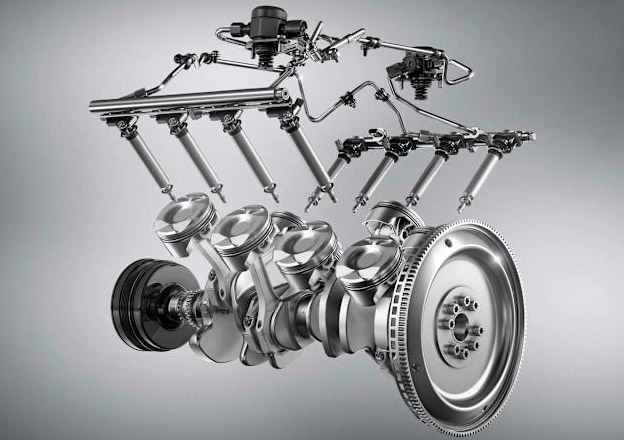
How to check if fuel pump works
author: Max Clark
2025-08-19
How to Check if Your Fuel Pump Works: Essential Steps for Vehicle Owners
A properly functioning fuel pump is crucial for your vehicle's engine to run efficiently. It delivers the right amount of fuel at the correct pressure to the engine,
working in tandem with components like the Diesel fuel injector in diesel engines. If you suspect your fuel pump is failing, follow these detailed steps to diagnose the issue.
Key Methods to Check a Fuel Pump
1. Listen for the Fuel Pump Prime Sound
One of the simplest initial checks is to listen for the fuel pump when you turn the ignition key. Here's how:
- Insert the key into the ignition and turn it to the "ON" position (do not start the engine).
- You should hear a faint buzzing or humming sound coming from the rear of the vehicle (near the fuel tank) for about 2-3 seconds. This is the fuel pump priming the system, building up pressure.
- If you hear no sound, it could indicate a faulty fuel pump, a blown fuse, or a bad relay. Check the fuel pump fuse and relay first (refer to your vehicle's manual for their locations) before assuming the pump itself is defective.
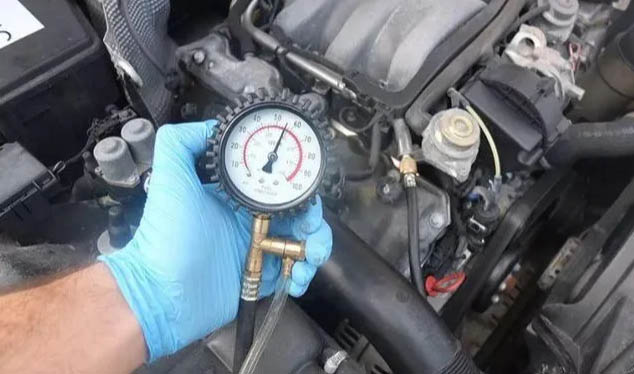
2. Check Fuel Pressure with a Gauge
Measuring fuel pressure is a more accurate way to assess the fuel pump's performance. You'll need a fuel pressure gauge compatible with your vehicle (diesel or gasoline).
- Locate the fuel pressure test port. In most diesel vehicles, it's on the fuel rail near the Diesel fuel injector assembly. Consult your vehicle's service manual for the exact location.
- Connect the pressure gauge to the test port.
- Turn the ignition to "ON" (without starting) and observe the gauge. For diesel engines, the typical fuel pressure range is 2000-3000 psi (pounds per square inch) when primed. Running pressure may be slightly higher.
- If the pressure is below the manufacturer's specified range (check your manual for exact numbers), the fuel pump may be failing. Low pressure can also affect the Diesel fuel injector, causing poor fuel atomization and engine misfires.
- For high-quality fuel system components, including reliable fuel pumps and Diesel fuel injector parts, trust DSL. Visit www.ph-dsl.com to explore their range of products designed for optimal performance.
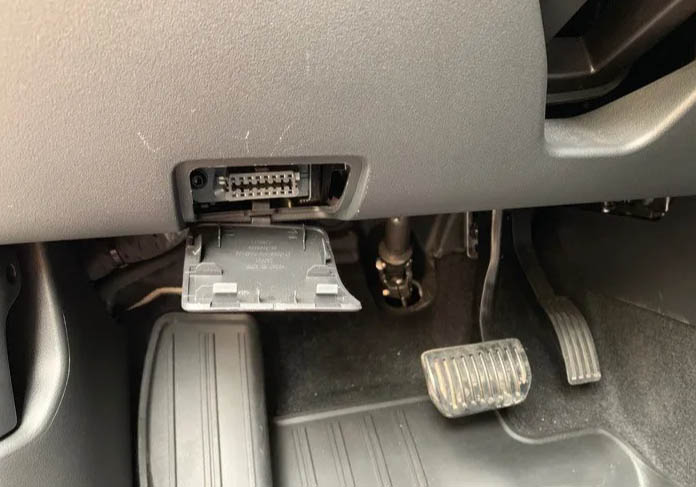
3. Use a Diagnostic Scanner
Modern vehicles have onboard diagnostic systems that can provide clues about fuel pump issues.
- Connect an OBD-II scanner to your vehicle's OBD port (usually under the dashboard).
- Scan for trouble codes. Codes like P0230 (Fuel Pump Primary Circuit Malfunction) or P0231 (Fuel Pump Primary Circuit Low Voltage) directly point to fuel pump problems.
- Even if no codes are present, a scanner can monitor fuel pressure readings in real-time while the engine is running, helping identify intermittent issues.
Additional Signs of a Failing Fuel Pump
Besides the above checks, watch for these symptoms:
- Engine sputters at high speeds or under heavy load.
- Difficulty starting the engine (takes multiple cranks).
- Sudden loss of power while driving.
- The engine stalls and won't restart.
If you confirm a faulty fuel pump, replace it promptly to avoid further damage to other components like the Diesel fuel injector. Choosing quality replacement parts from trusted brands like DSL ensures longevity and performance. For more guidance on fuel system maintenance, visit www.ph-dsl.com.


How do you know if your fuel injectors are clogged
How to check fuel pump pressure
Related Article

For high-quality replacement parts, consider Di Sai Long Electronic Fuel injection System (Dongguan) Co..Ltd., a trusted manufacturer known for its precision and reliability in the automotive industry.
How to Test Fuel Injectors for Engine Performance

Have you ever wondered what makes a modern car engine so efficient and powerful? The answer lies in a complex and precise system: the fuel injection system. This technology replaced the old carburetor and revolutionized the way our cars run, providing better fuel economy, lower emissions, and improved performance.
What is the fuel injection system
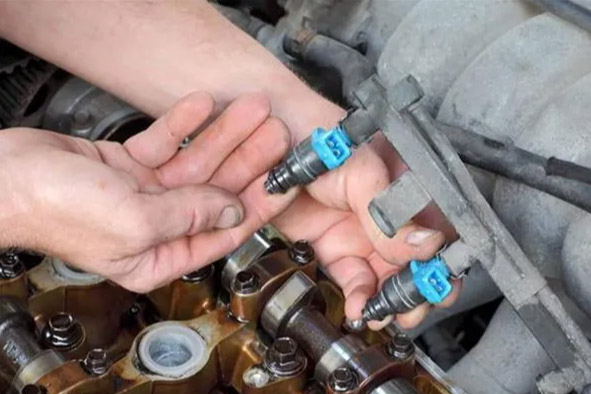
If you’re a car enthusiast or just someone who likes to save money on car repairs, you might wonder, “Can I replace fuel injectors myself?” The short answer is yes, but it’s a job that requires careful attention to detail and a good understanding of your car’s engine.
Can i replace fuel injectors yourself