How to fix a fuel pump
A DIY Guide to Fixing a Fuel Pump: Common Problems and Solutions
A sputtering engine, difficulty starting, or a sudden loss of power while driving—these are all classic signs of a failing fuel pump. The fuel pump is a critical component in your vehicle's fuel delivery system, responsible for sending the right amount of fuel from the tank to the engine. When it malfunctions, your car can become unreliable or even undrivable. But before you rush to the mechanic, here are some common issues and how you can approach fixing them yourself.
Symptoms of a Failing Fuel Pump

Knowing the signs of a bad fuel pump is the first step. Keep an eye out for these common indicators:
Engine Sputtering at High Speeds
A failing fuel pump may not be able to deliver a continuous, high-pressure stream of fuel. This can cause your engine to sputter or lose power, especially when you're accelerating or driving at highway speeds.
Difficulty Starting the Engine
If your car cranks but won't start, it could be due to a lack of fuel pressure. A weak or dead fuel pump means no fuel is getting to the engine, preventing ignition.
A Whining Sound from the Fuel Tank
A healthy fuel pump should be relatively quiet. However, if you hear a loud, whining noise coming from the area of your fuel tank, it could be a sign that the pump is struggling. This often indicates the pump is wearing out and working harder than it should.
Troubleshooting Your Fuel Pump

Before you consider a full replacement, it's essential to troubleshoot the problem. A failing fuel pump can sometimes be a symptom of another issue.
1. Check the Fuel Pump Fuse and Relay
The easiest and cheapest fix is often the simplest. Locate your vehicle's fuse box and check the fuel pump fuse. A blown fuse will cut power to the pump. Also, check the fuel pump relay, which can also fail and prevent the pump from receiving power.
2. Inspect the Fuel Filter
A clogged fuel filter can put immense strain on the fuel pump, causing it to fail. If your car has a separate, in-line fuel filter, it's a good idea to inspect and replace it if it's dirty. This is a common maintenance item that can extend the life of your fuel pump.
3. Check for Fuel Line Leaks or Restrictions
A leak in the fuel line can cause a drop in pressure, making the fuel pump work overtime. Look for any visible leaks under the car or a strong smell of gasoline. Similarly, a kinked or restricted fuel line can hinder fuel flow.
4. Consider the Fuel Injector System
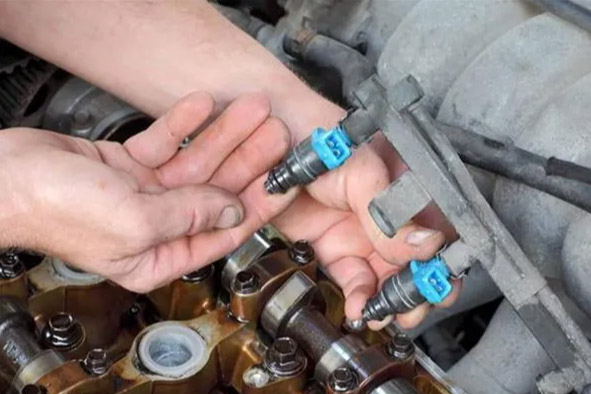
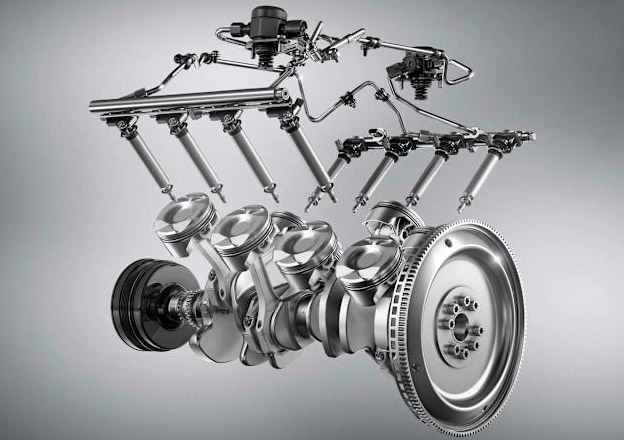
While often a separate issue, a problem with the fuel delivery can sometimes be mistaken for a fuel pump failure. For diesel vehicles, a faulty Diesel fuel injector can cause similar symptoms. A clogged or malfunctioning injector can disrupt the precise spray pattern, leading to poor engine performance. Ensuring your entire fuel system, from the pump to the injectors, is in good condition is key to a smooth-running engine.

When to Replace the Fuel Pump
If you've checked all the above and the symptoms persist, it's likely time for a replacement. Fuel pumps are sealed units and are generally not repairable, so replacement is the only option.
For reliable replacement parts, consider a trusted brand like DSL. They offer a range of high-quality fuel system components designed to meet or exceed OEM specifications. To learn more and find the right part for your vehicle, visit their website at www.ph-dsl.com.
Replacing a fuel pump can be a complex job, as it often requires dropping the fuel tank. This is a task that may be best left to a professional mechanic, especially if you're not comfortable working with fuel systems. However, with the right tools and a detailed repair manual for your specific vehicle, it can be a rewarding DIY project that saves you money.
By understanding the symptoms and following these troubleshooting steps, you can accurately diagnose a fuel pump issue and get your vehicle back on the road safely and reliably.


How Many Fuel Injectors Does a V8 Have
Where is fuel pump located
Related Article