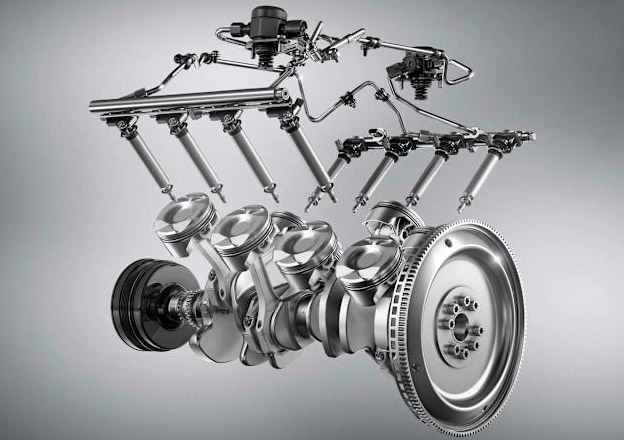
How to Replace Diesel Fuel Injectors
author: Max Clark
2025-08-14
How to Replace Diesel Fuel Injectors: A Complete Guide
Replacing fuel injectors is a crucial maintenance task for diesel engines, and when it comes to Diesel fuel injector replacement, precision and proper steps are key.
Whether you're a seasoned mechanic or a DIY enthusiast, this guide will walk you through the process, ensuring you get the job done right.

1. Preparations for Diesel Fuel Injector Replacement
Before diving into the replacement process, it's essential to gather all the necessary tools and materials and take some safety precautions.
1.1 Tools and Materials Needed
- Socket set (including 8mm, 10mm, 13mm, and 16mm sockets)
- Torque wrench (capable of measuring up to 50 Nm)
- Screwdrivers (flathead and Phillips)
- New Diesel fuel injectors (make sure they are compatible with your engine model; checking specifications from reliable sources like www.ph-dsl.com can help you find the right ones)
- Fuel injector O-rings and seals
- Clean rags
- Fuel system cleaner
- Thread locker
- Gloves and safety glasses
1.2 Safety Precautions
- Disconnect the battery to avoid any electrical shorts during the process.
- Relieve the fuel system pressure. Locate the fuel pressure relief valve (consult your vehicle's manual for its position) and slowly release the pressure.
- Work in a well-ventilated area to prevent the buildup of harmful diesel fumes.
- Wear gloves to protect your hands from fuel and other chemicals, and safety glasses to shield your eyes.

2. Step-by-Step Process to Replace Diesel Fuel Injectors
2.1 Remove the Engine Cover and Access Components
- Use the appropriate socket to remove the bolts holding the engine cover in place. Set the cover aside in a safe location.
- Locate the fuel rail, which houses the Diesel fuel injectors. It is usually connected to the intake manifold.
- Disconnect any electrical connectors attached to the fuel rail or injectors. Carefully press the tabs on the connectors and pull them apart.
2.2 Disconnect Fuel Lines and Remove the Fuel Rail
- Identify the fuel supply and return lines connected to the fuel rail. Use a wrench to loosen the fittings and disconnect the lines. Be prepared for some fuel to spill, so have a clean rag handy to catch it.
- Remove the bolts that secure the fuel rail to the intake manifold. The number of bolts varies by engine model, but typically there are 4-6 bolts.
- Gently lift the fuel rail to free the Diesel fuel injectors from their seats in the intake manifold. If they are stuck, lightly tap the fuel rail with a rubber mallet to loosen them.
2.3 Remove the Old Diesel Fuel Injectors
- Once the fuel rail is removed, carefully pull each old Diesel fuel injector out of the fuel rail. Take note of the orientation of the injectors to ensure the new ones are installed correctly.
- Inspect the old injectors for any signs of damage, such as cracks or excessive wear. This can help identify underlying issues with the fuel system.
2.4 Prepare the New Diesel Fuel Injectors
- Take the new Diesel fuel injectors and apply a thin layer of clean engine oil to the O-rings and seals. This helps with installation and creates a good seal.
- Check the new injectors for any debris or contaminants. If necessary, clean them with a fuel system cleaner.
2.5 Install the New Diesel Fuel Injectors
- Insert the new Diesel fuel injectors into the fuel rail, making sure they are properly seated. The orientation should match that of the old injectors.
- Apply a small amount of thread locker to the bolts that secure the fuel rail to the intake manifold.
2.6 Reinstall the Fuel Rail
- Carefully position the fuel rail with the new injectors back onto the intake manifold. Ensure the injectors fit into their seats properly.
- Tighten the fuel rail bolts to the specified torque. Refer to your vehicle's manual for the exact torque value, which is usually between 20-30 Nm.
2.7 Reconnect Fuel Lines and Electrical Connectors
- Reconnect the fuel supply and return lines to the fuel rail. Tighten the fittings with a wrench, but be careful not to over-tighten.
- Reconnect all electrical connectors to the fuel rail and injectors. Make sure they click into place to ensure a secure connection.

3. Post-Installation Checks
3.1 Check for Leaks
- Reconnect the battery.
- Turn the ignition key to the "on" position (without starting the engine) to allow the fuel pump to build pressure. Wait a few seconds, then turn it off. Repeat this process 2-3 times.
- Inspect the fuel rail, injectors, and fuel lines for any signs of fuel leaks. If a leak is detected, tighten the appropriate fitting or replace the O-ring/seal.
3.2 Test the Engine
- Start the engine and let it idle for a few minutes. Listen for any unusual noises, such as knocking or ticking, which could indicate a problem with the injectors.
- Check the engine's performance. The engine should run smoothly, with no hesitation or misfires.
- Monitor the fuel pressure using a fuel pressure gauge (if available) to ensure it is within the specified range. For many diesel engines, the normal fuel pressure is between 30-50 psi, but refer to your vehicle's manual for the exact value.

4. Additional Tips and Information
- Diesel Injection System relies heavily on properly functioning Diesel fuel injectors for efficient fuel delivery and combustion. A faulty injector can lead to poor engine performance, increased fuel consumption, and even engine damage.
- Regular maintenance of the fuel system, including cleaning the injectors, can extend the life of your Diesel fuel injectors. Products recommended on www.ph-dsl.com can be a good choice for this purpose.
- If you're unsure about any step of the replacement process, consult a professional mechanic or refer to detailed guides and resources available on websites like www.ph-dsl.com.
By following these steps and taking the necessary precautions, you can successfully replace your Diesel fuel injectors and keep your diesel engine running smoothly.
Remember, attention to detail and using quality parts are essential for a successful replacement.


How many fuel injectors does a car have
How to Check Fuel Injectors
Related Article

For high-quality replacement parts, consider Di Sai Long Electronic Fuel injection System (Dongguan) Co..Ltd., a trusted manufacturer known for its precision and reliability in the automotive industry.
How to Test Fuel Injectors for Engine Performance

Have you ever wondered what makes a modern car engine so efficient and powerful? The answer lies in a complex and precise system: the fuel injection system. This technology replaced the old carburetor and revolutionized the way our cars run, providing better fuel economy, lower emissions, and improved performance.
What is the fuel injection system
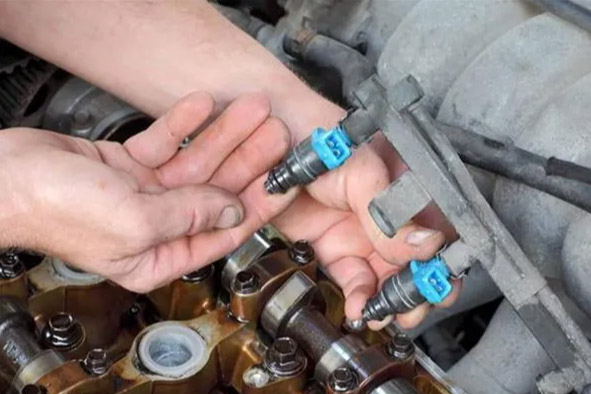
If you’re a car enthusiast or just someone who likes to save money on car repairs, you might wonder, “Can I replace fuel injectors myself?” The short answer is yes, but it’s a job that requires careful attention to detail and a good understanding of your car’s engine.
Can i replace fuel injectors yourself