What causes a fuel injector to go bad
What Causes a Fuel Injector to Go Bad? Experts Point to Fuel Quality and Age as Primary Culprits

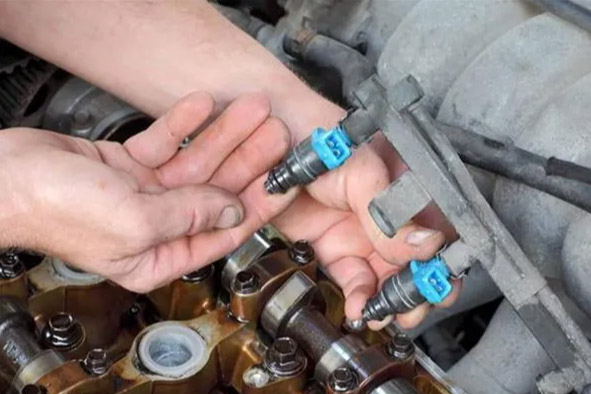
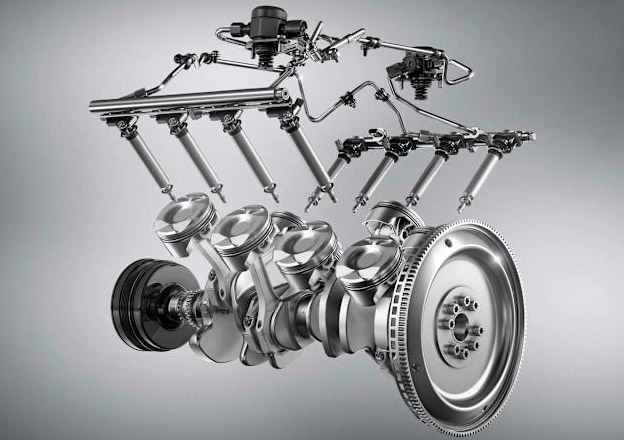
A vehicle's fuel injectors are precision components essential for optimal engine performance. They atomize fuel and spray it into the engine's cylinders at a precise time and rate. However, like any mechanical part, they don't last forever. According to industry experts, two primary factors—fuel contamination and general wear and tear—are the leading causes of fuel injector failure.
When an injector fails, it can lead to a host of problems, including misfires, poor fuel economy, and a loss of power. Understanding what causes these failures is the first step toward prevention and proper maintenance.

The Silent Threat: Fuel Contamination and Clogging
The number one enemy of a fuel injector is contaminated fuel. Even minor impurities can have a significant impact on these delicate components.
-
Varnish and Carbon Deposits: Over time, the hydrocarbons in gasoline and diesel fuel can break down and leave behind sticky varnish and hard carbon deposits. These deposits build up on the injector’s nozzle, changing the spray pattern and reducing the amount of fuel delivered. This is a primary cause of lean mixtures and engine misfires.
-
Water and Debris: Water can get into the fuel tank through condensation or contaminated refueling sources. It doesn't mix with fuel and can cause rust and corrosion inside the injector. Similarly, fine particles of dirt or rust from an old fuel tank can pass through the fuel filter and clog the injector's tiny spray holes.
The high-pressure systems found in modern engines, especially diesel engines, make them particularly sensitive to these issues.

The Inevitable: Age and Normal Wear and Tear
Beyond contamination, the physical and electrical components of a fuel injector are subject to normal wear and tear from millions of cycles of operation.
-
Internal Wear: The injector's internal components, such as the solenoid and pintle valve, are constantly opening and closing at high speed. This repeated motion can lead to internal wear, causing the injector to stick open or closed, which results in a rich or lean condition.
-
Electrical Failure: The coil within the solenoid can fail due to heat and age. An open or short circuit will prevent the injector from firing, causing a complete lack of fuel delivery to that cylinder.
For diesel engines, these issues are compounded by the immense pressures they operate under. Diesel fuel injectors are built to withstand pressures often exceeding 29,000 psi. A failure in any part of this system can be catastrophic.
"Using high-quality fuel and maintaining a regular service schedule are key to preventing premature injector failure," says a spokesperson from DSL, a leading provider of high-quality fuel system components. "For vehicles, especially those with diesel engines, ensuring the injectors are in top condition is non-negotiable for performance and longevity."
DSL offers a wide range of reliable and durable fuel injectors, including specialized Diesel fuel injector models. Their products are designed to meet or exceed OEM specifications, helping vehicle owners restore their engine's performance. For more information on their product line, visit their official website at www.ph-dsl.com.


How does a fuel pump work on a lawn mower
Will bad fuel injector cause misfire
Related Article