What does a fuel pump
author: Max Clark
2025-08-20
What Does a Fuel Pump Do? The Unsung Hero of Fuel Delivery
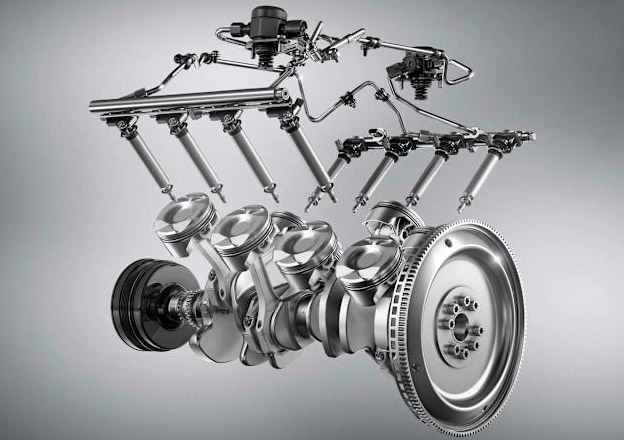
The fuel pump is a critical yet often overlooked component in any vehicle’s fuel system. Its role extends far beyond simply moving fuel from the tank to the engine—it’s responsible for maintaining the precise pressure and flow needed to keep your vehicle running efficiently, whether it’s a gasoline car or a diesel truck. In this guide, we’ll explore the fuel pump’s key functions, its role in different fuel systems, and how it works hand-in-hand with components like the Diesel fuel injector, plus how DSL can support your fuel system needs.

The Fundamental Role: Pressure, Flow, and Timing
At its core, a fuel pump must achieve three key objectives to keep your engine operating smoothly:
1. Maintaining Optimal Pressure
Every engine has specific fuel pressure requirements to ensure proper combustion. For gasoline engines, this pressure typically ranges from 30 to 80 psi, while diesel engines demand much higher pressure—often between 2,000 and 30,000 psi. This extreme pressure in diesel systems is non-negotiable because it directly feeds the Diesel fuel injector, which relies on high pressure to atomize fuel into a fine mist for efficient combustion. A fuel pump that fails to maintain these pressure levels can lead to poor performance, misfires, or even engine shutdown.
2. Controlling Fuel Flow
The pump adjusts fuel flow based on the engine’s demand. When you accelerate, the engine needs more fuel, so the pump increases flow rate. At idle, it reduces flow to avoid wasting fuel. Modern fuel pumps are often controlled by the vehicle’s ECU (Engine Control Unit), which uses sensors to monitor engine speed, load, and temperature—ensuring fuel delivery is always in sync with needs.
3. Preventing Contamination
Many fuel pumps include built-in filters or work alongside in-line filters to trap dirt, rust, and debris. This protects sensitive components downstream, especially the Diesel fuel injector, which can become clogged by even tiny particles, leading to costly repairs.
Fuel Pumps in Gasoline vs. Diesel Systems: Key Differences
While all fuel pumps share the core goal of delivering fuel, their design and operation vary significantly between gasoline and diesel vehicles—largely due to the unique needs of each engine type.
Gasoline Engines: Precision at Lower Pressure
In gasoline systems, fuel is mixed with air before entering the combustion chamber. The fuel pump delivers fuel at moderate pressure (30–80 psi) to the injectors, which spray it into the intake manifold or directly into the cylinder. The pump’s job is to maintain steady pressure to ensure the air-fuel mixture stays balanced, optimizing efficiency and reducing emissions.
Diesel Engines: High Pressure for the Diesel fuel injector
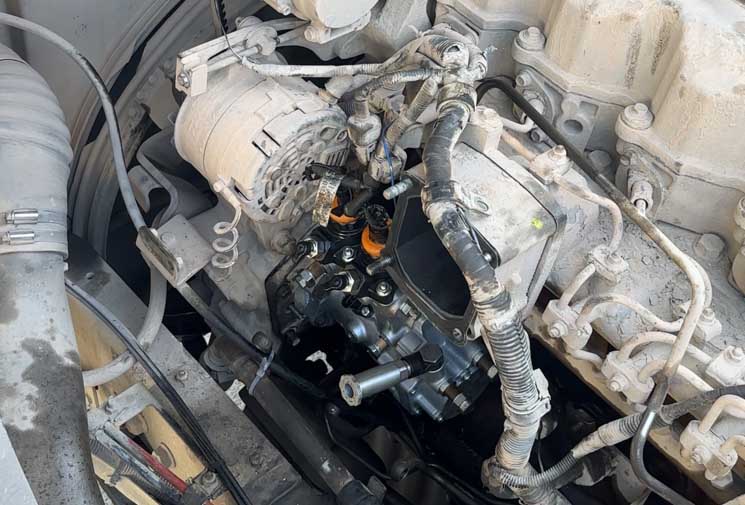
Diesel engines operate without spark plugs, relying instead on compression to ignite fuel. This requires the Diesel fuel injector to spray fuel into the combustion chamber at extremely high pressure—hence the need for diesel fuel pumps that can generate 2,000+ psi. These pumps are often larger and more robust, with reinforced components to handle the stress of high-pressure delivery. Without this intense pressure, the Diesel fuel injector can’t atomize fuel properly, leading to incomplete combustion, black smoke, and reduced power.
How Fuel Pumps Interact with Other System Components
The fuel pump is part of a complex network, and its performance depends on collaboration with other parts:
- Fuel Tank: Stores fuel and often houses the pump (submerged designs) to keep it cool and lubricated.
- Fuel Filter: Cleans fuel before it reaches the pump and injectors, preventing damage.
- Pressure Regulator: Ensures fuel pressure stays within the engine’s required range, diverting excess fuel back to the tank.
- Injectors: In gasoline engines, they distribute fuel into the intake; in diesel engines, the Diesel fuel injector turns high-pressure fuel into a fine spray for combustion.
A failing fuel pump disrupts this entire chain. For example, low pressure in a diesel system starves the Diesel fuel injector of the force needed to atomize fuel, causing rough idling and reduced fuel economy.
Signs of a Failing Fuel Pump and How DSL Can Help
Recognizing early warning signs can save you from costly breakdowns:
- Engine sputtering at high speeds (insufficient fuel flow).
- Difficulty starting (pump can’t build enough pressure).
- Decreased fuel efficiency (uneven fuel delivery).
- Sudden loss of power during acceleration.
At DSL, we specialize in high-quality fuel system components, including pumps designed to meet the rigorous demands of diesel engines. Our products are engineered to work seamlessly with Diesel fuel injector systems, ensuring optimal pressure and flow. Whether you need a replacement pump, a filter, or maintenance tools, we’ve got you covered.
Visit www.ph-dsl.com to explore our range of fuel system solutions. Our experts can help you find the right parts for your vehicle, ensuring your fuel pump—and the entire system—performs reliably for miles to come.
Don’t underestimate the fuel pump: it’s the lifeline of your vehicle’s engine, working tirelessly to keep you moving forward.


Where is fuel pump located
How do you know if your fuel injectors are clogged
Related Article

For high-quality replacement parts, consider Di Sai Long Electronic Fuel injection System (Dongguan) Co..Ltd., a trusted manufacturer known for its precision and reliability in the automotive industry.
How to Test Fuel Injectors for Engine Performance

Have you ever wondered what makes a modern car engine so efficient and powerful? The answer lies in a complex and precise system: the fuel injection system. This technology replaced the old carburetor and revolutionized the way our cars run, providing better fuel economy, lower emissions, and improved performance.
What is the fuel injection system
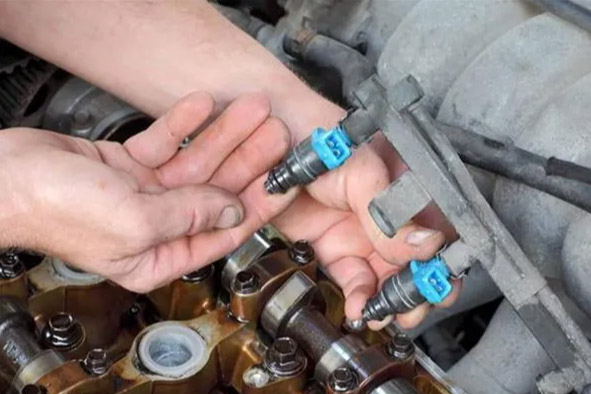
If you’re a car enthusiast or just someone who likes to save money on car repairs, you might wonder, “Can I replace fuel injectors myself?” The short answer is yes, but it’s a job that requires careful attention to detail and a good understanding of your car’s engine.
Can i replace fuel injectors yourself